Fieldwork III meeting: Tim Theo Deceuninck
Throughout the Fieldwork programme, the group meets at regular intervals. Each artist takes turns inviting the others to a moment of exchange, at a location that is relevant to their research at that time.
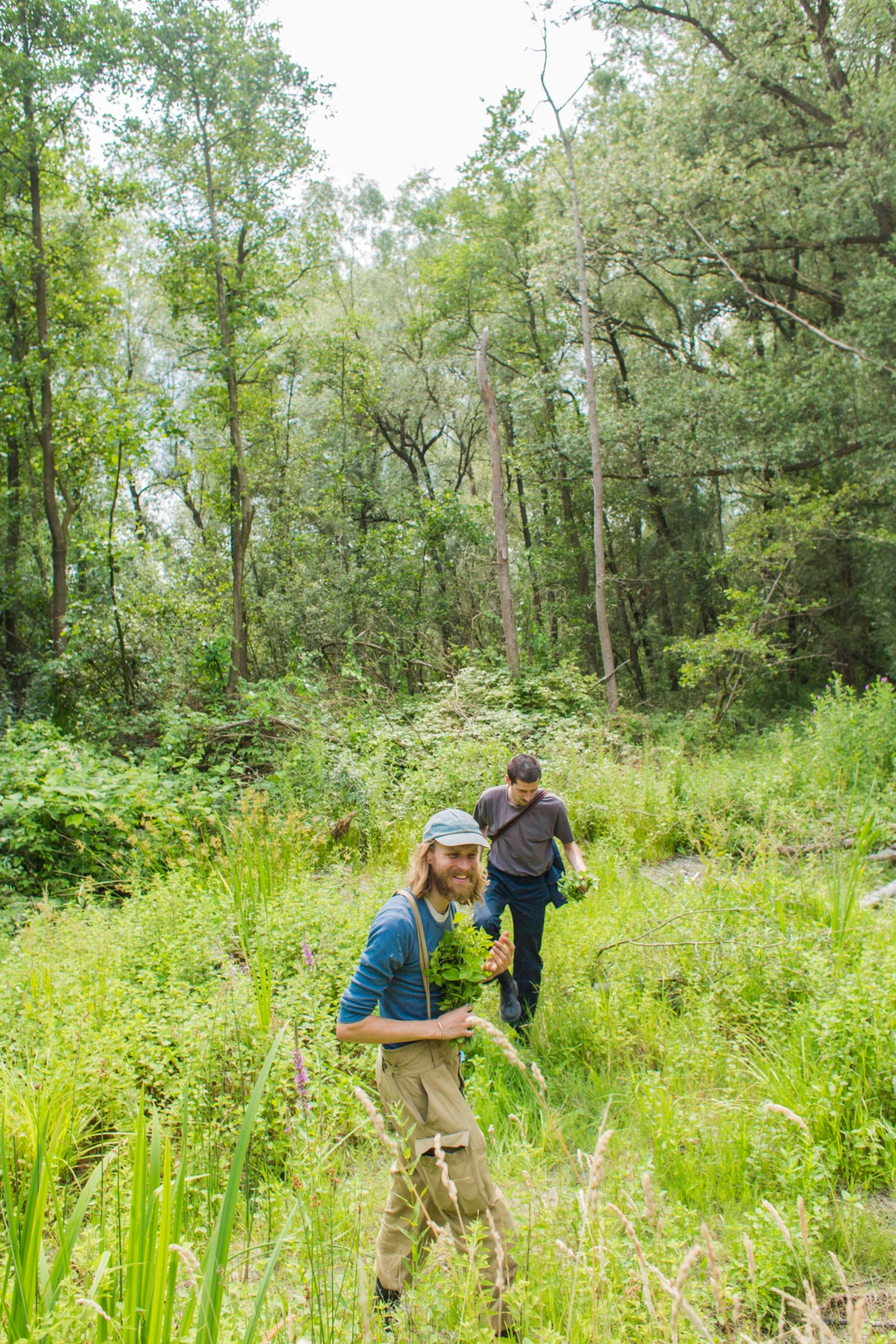
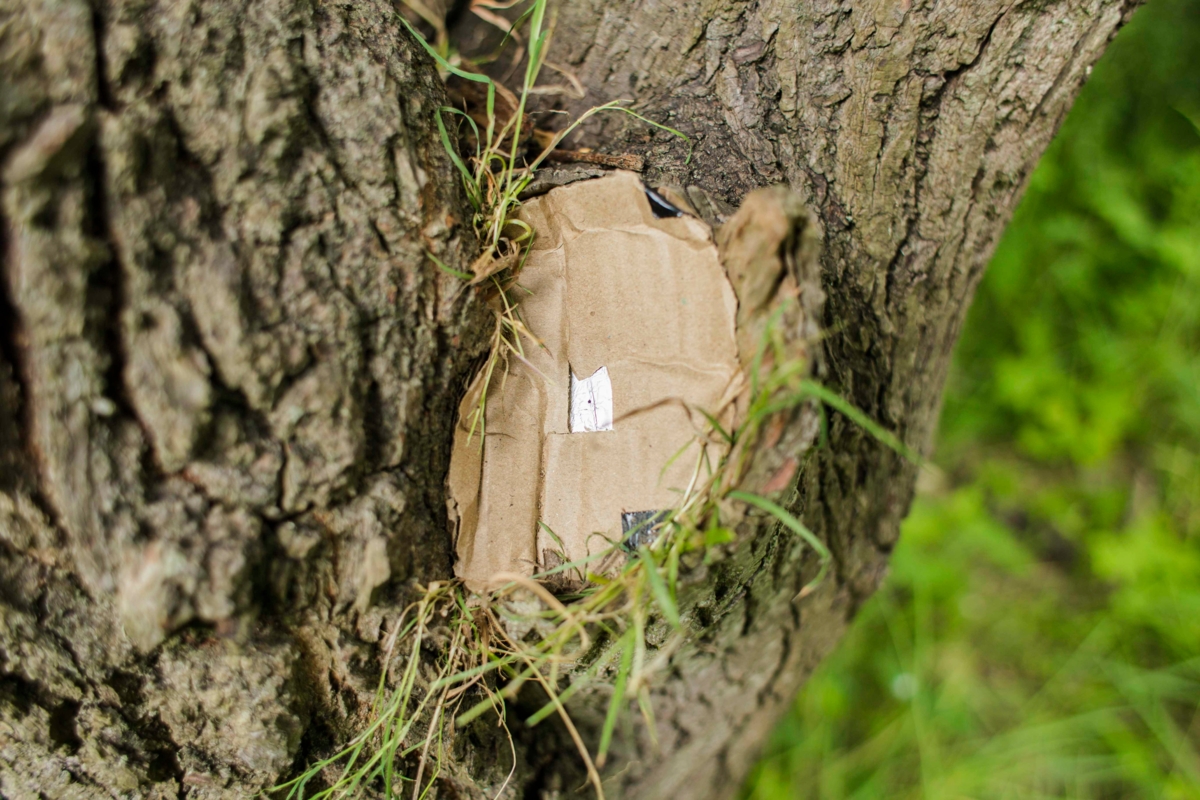
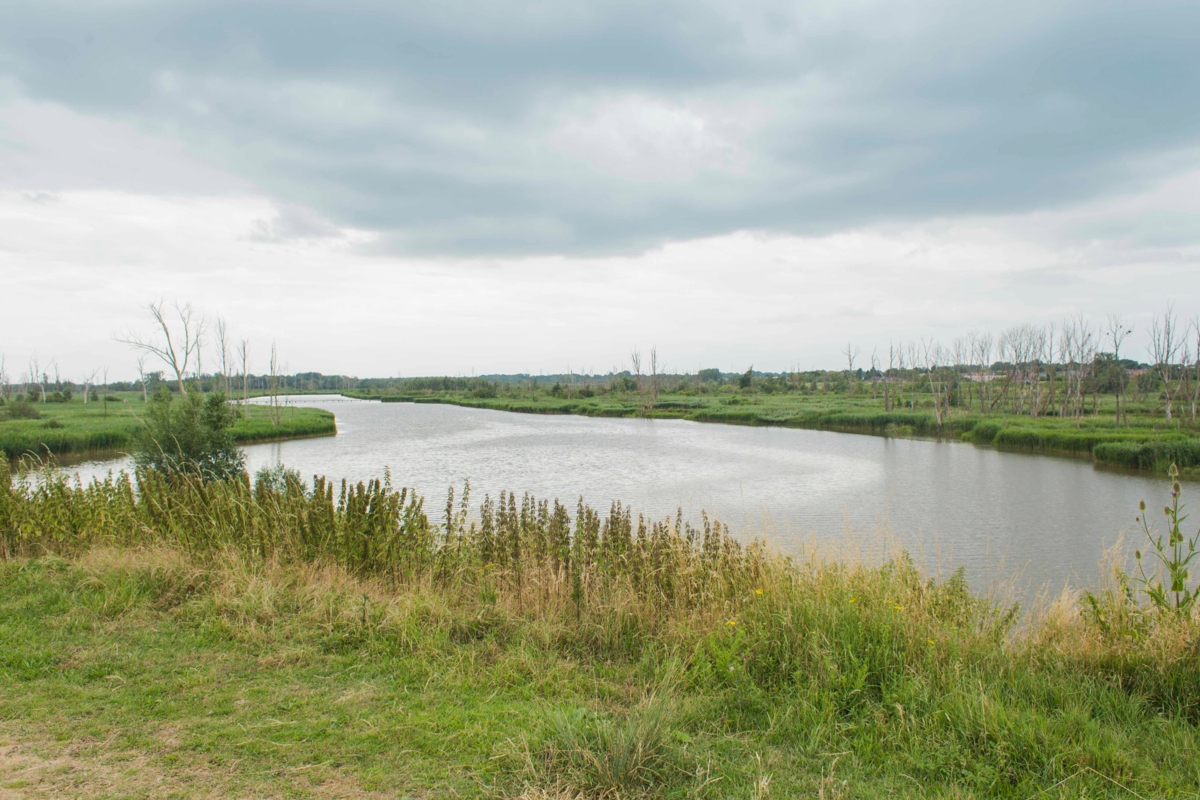
Tim Theo Deceuninck took the group on a walk through the Hobokense Polder. This nature reserve is full of contrasts: initially intended for the 'Polderstad' urbanisation project, it was raised with sand from the E17 motorway, which was constructed at the time. The project died a quiet death, lay fallow for years, and was eventually declared a protected area. Tim Theo knows this landscape like the back of his hand and has also placed several of his land cameras there. Along the way, we harvested water mint, reflected on contemporary harvesting rituals and saw some of the land cameras in action. Below are some of the text fragments that Tim Theo read aloud.
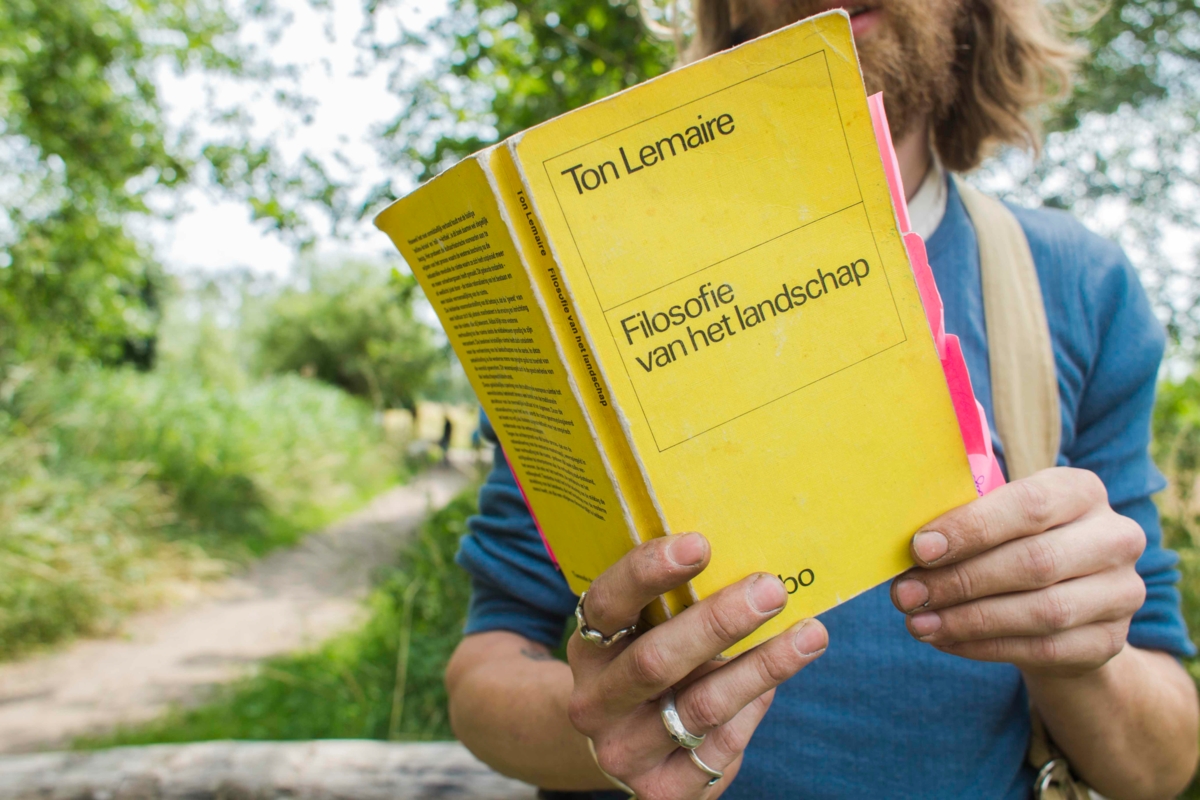
"But what is special now – and what makes a landscape a 'landscape' – is that the element of 'nature' dominates and integrates the element of 'culture'. This dominance of nature over 'culture' is visibly expressed in the line of the horizon. And with that, we have approached the essence of the landscape: it is a unity of nature and culture, connected and united by the horizon.
[...]
This brings me to this (provisional) definition of what a 'landscape' is: it is the depicted connection between nature and culture, such that culture is made subordinate to nature.
[...]
the landscape is the self-image of culture.
[...]
in a landscape, culture situates itself in reality and thereby also establishes itself."
(from Philosophy of Landscape (1970), Tom Lemaire)
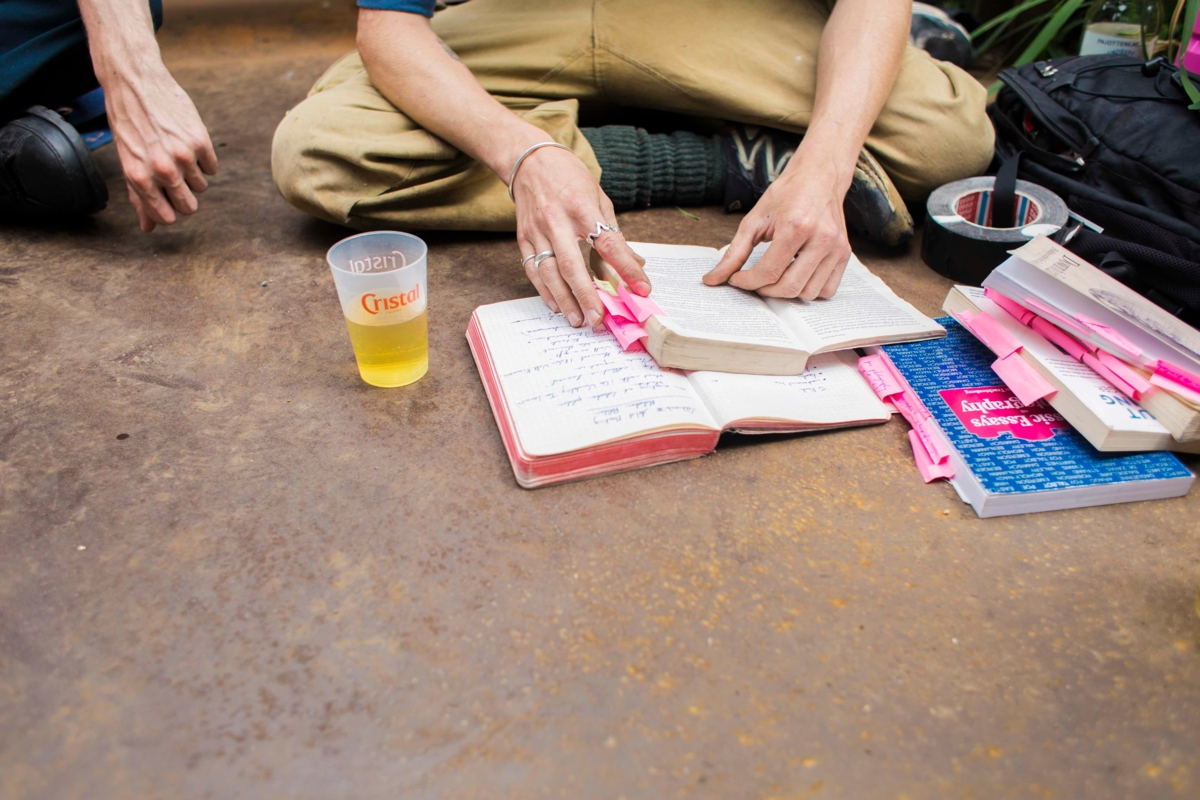
For the greater part of human history, and in places in the world today, common resources were the norm. But some invented a different narrative, a social construct in which everything is a commodity to be bought and sold. The market economy narrative has spread like wildfire with uneven results for human well-being and devastation for the natural world. But it is just a narrative we have told ourselves and we are free to tell another, to reclaim the old one.
One of these stories sustains the living systems on which we depend. One of these stories opens the way to living in gratitude and amazement at the richness and generosity of the world. One of these stories asks us to bestow our own gifts in kind, to celebrate our kinship with the world. We can choose. If all the world is a commodity, how poor we grow. When all the world is a gift in motion, how wealthy we become."
(From Braiding Sweetgrass (2013), Robin Wall Kimmerer)
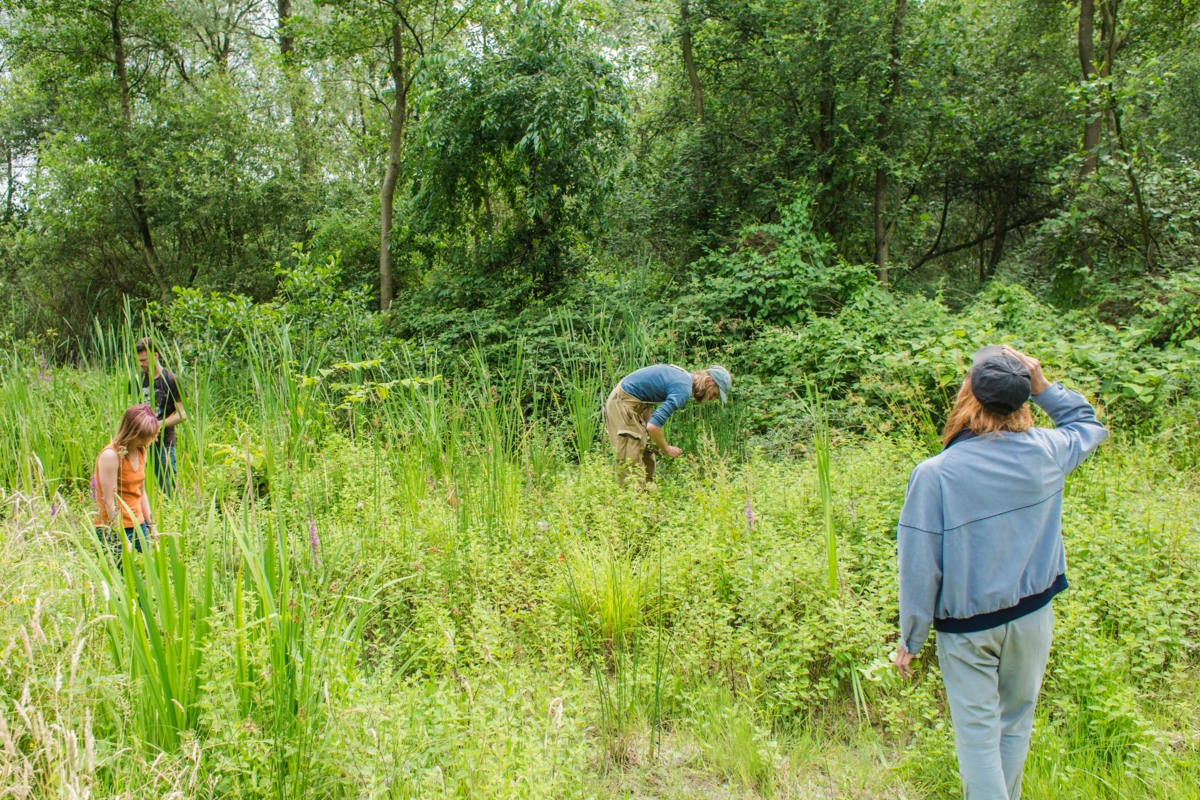
The guidelines for the Honourable Harvest are not written down, or even consistently spoken of as a whole – they are reinforced in small acts of daily life. But if you were to list them, they might look something like this:
Know the ways of those who take care of you, so that you may take care of them.
Introduce yourself. Be accountable as the one who comes asking for life,
Never take the first. Never take the last
Take only what you need.
Take only what is given.
Never take more than half. Leave some for others.
Harvest in a way that minimises harm.
Use it respectfully. Never waste what you have taken.
Share.
Give thanks for what you have been given.
Give a gift in reciprocity for what you have taken.
Sustain those who sustain you and the earth will last forever.
(From Braiding Sweetgrass (2013), Robin Wall Kimmerer)
Photographs © Leontien Allemeersch