Research report: First visit to Bavikhove (Karolina Michalik)
With her project perpendicular parallels (as part of Veldwerk II), Karolina Michalik asks questions about labour migration within the agricultural sector and the connections it creates between different places. Starting from mushroom farms in Flanders, which often rely on the hands of Polish seasonal workers, she is guided by themes of individual and collective (embodied) knowledge, hobbies, myths, and our complex relationship with the landscape. Read more about this project here.
For several weeks now, I have been planning intuitive visits to Bavikhove, the West Flemish town where a large mushroom factory caught my attention. On their website, they describe how their mushrooms are picked by gentle female hands and how important that is for this fragile work. I try not to plan anything or have any pre-set goals, in order to see the place through the eyes of an outsider. My notes treat situations and experiences as data without any projections on my part.
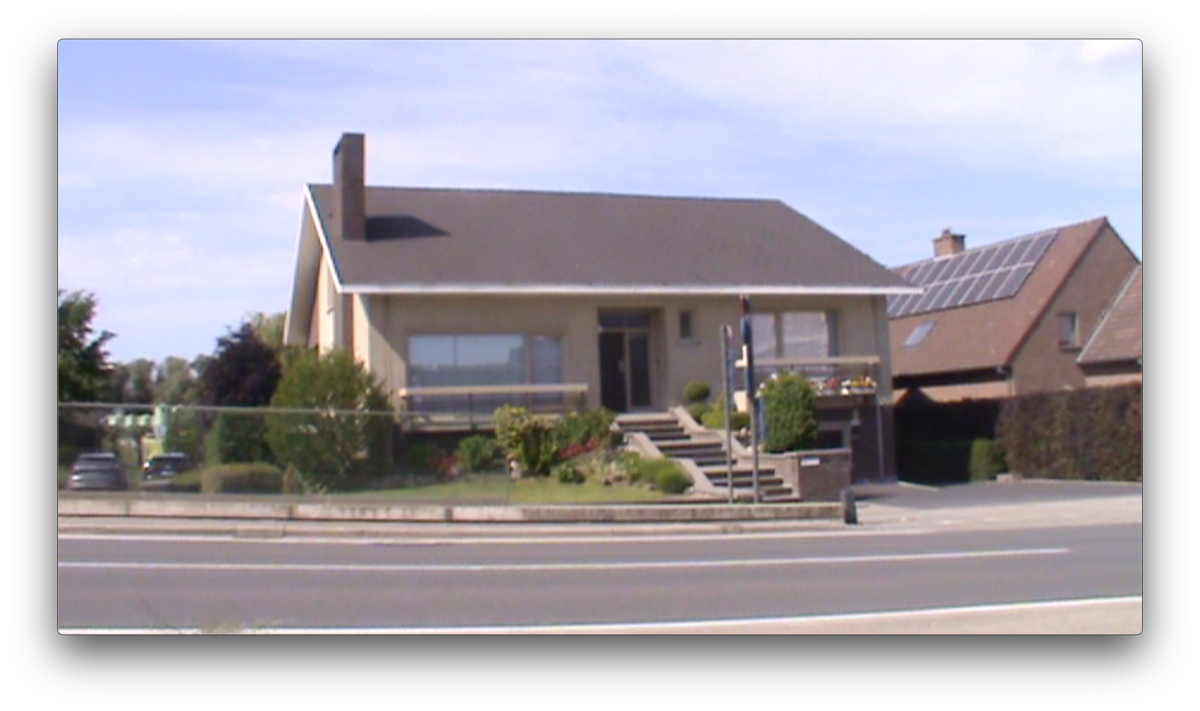
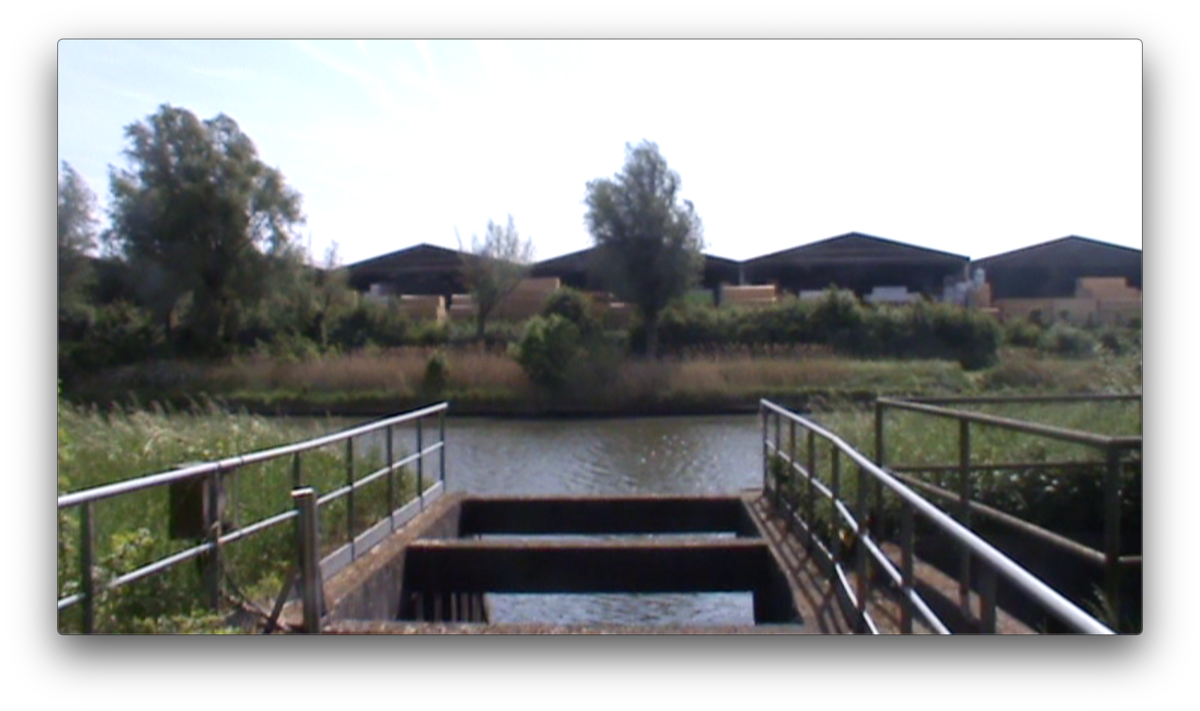
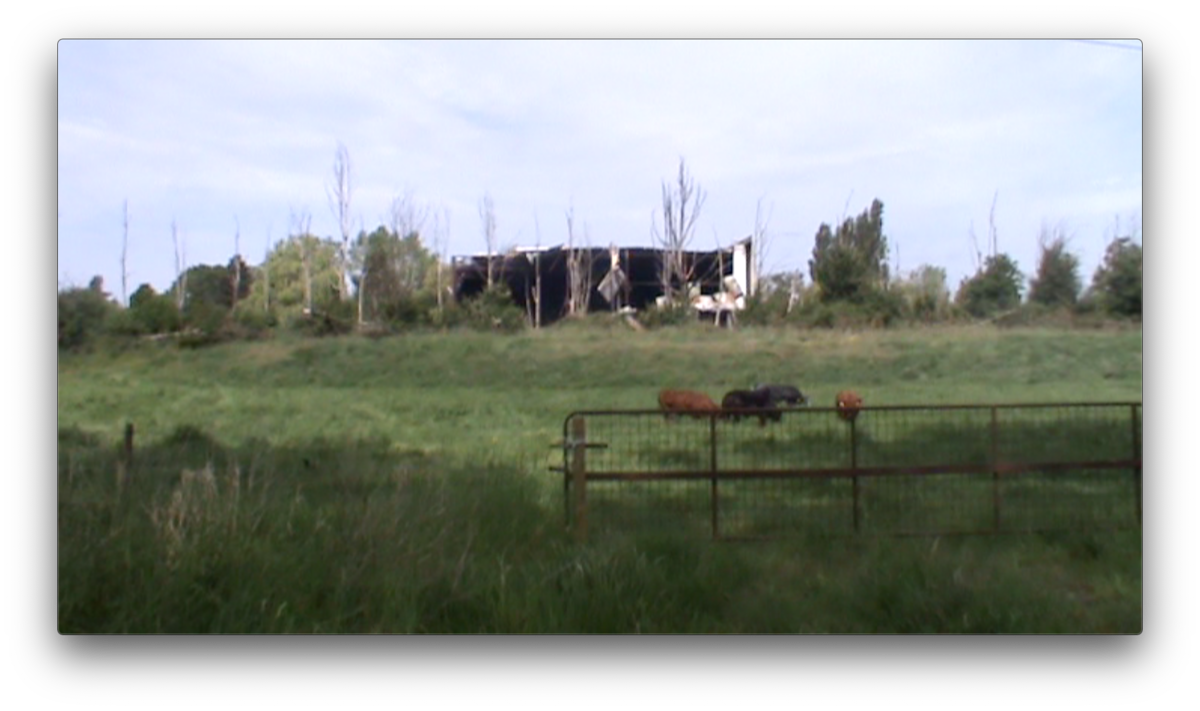
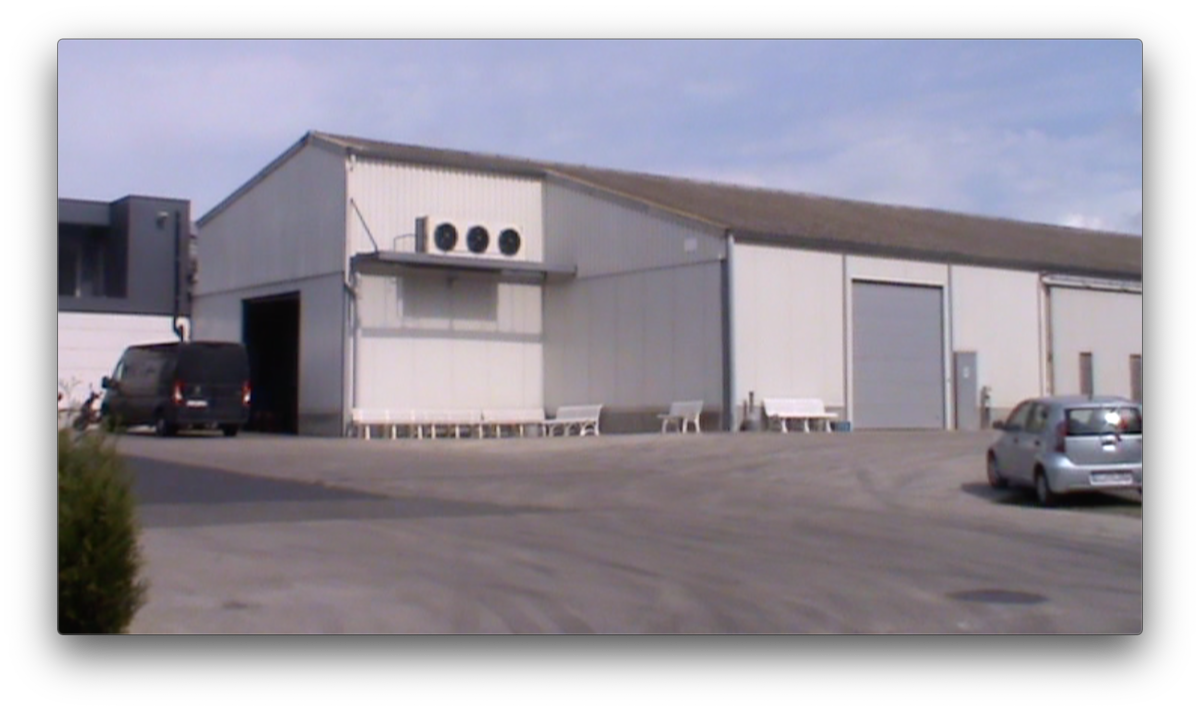
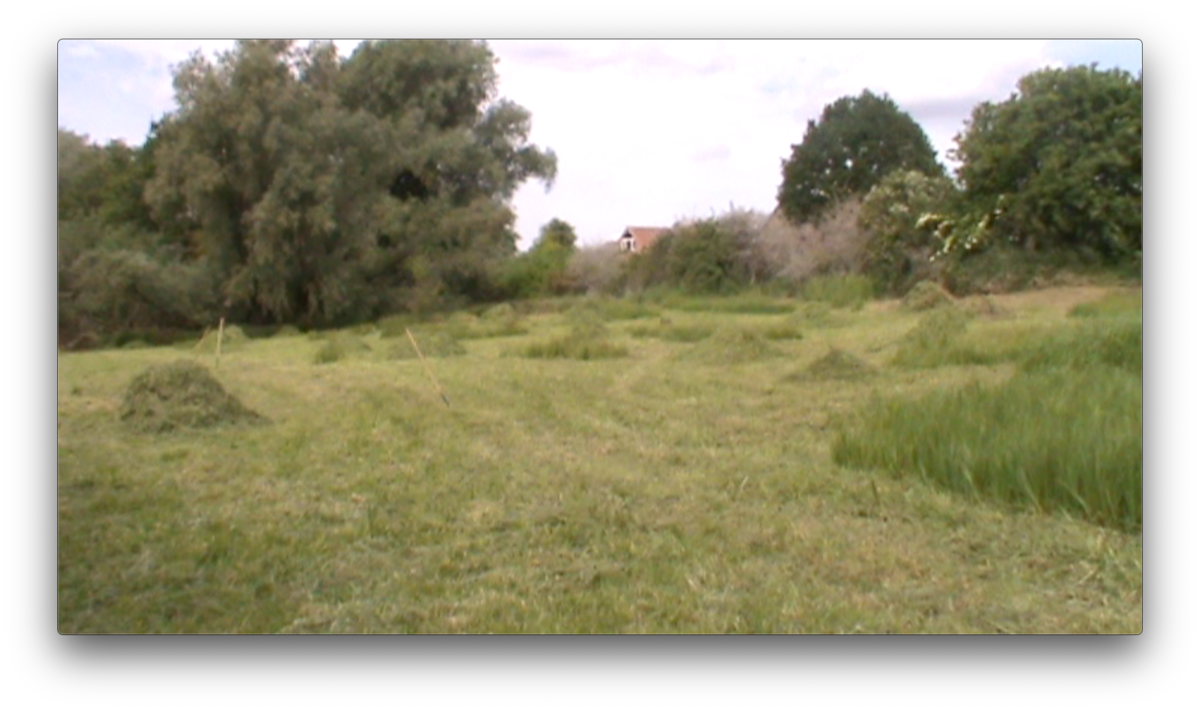
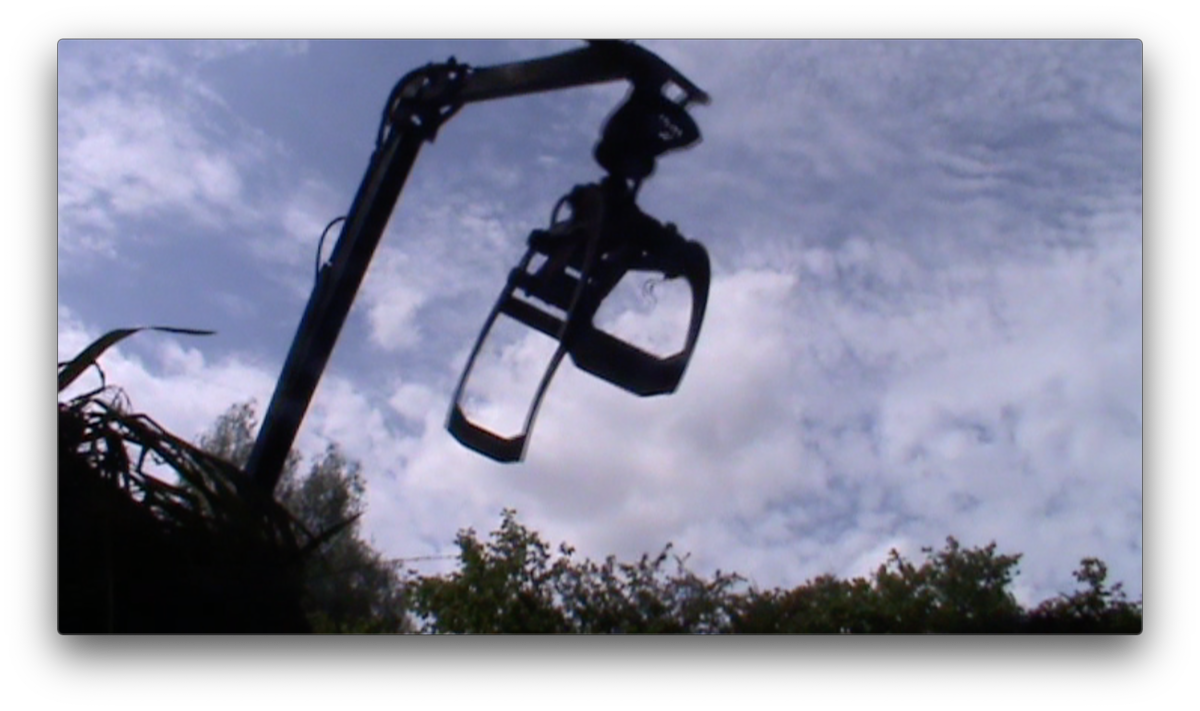
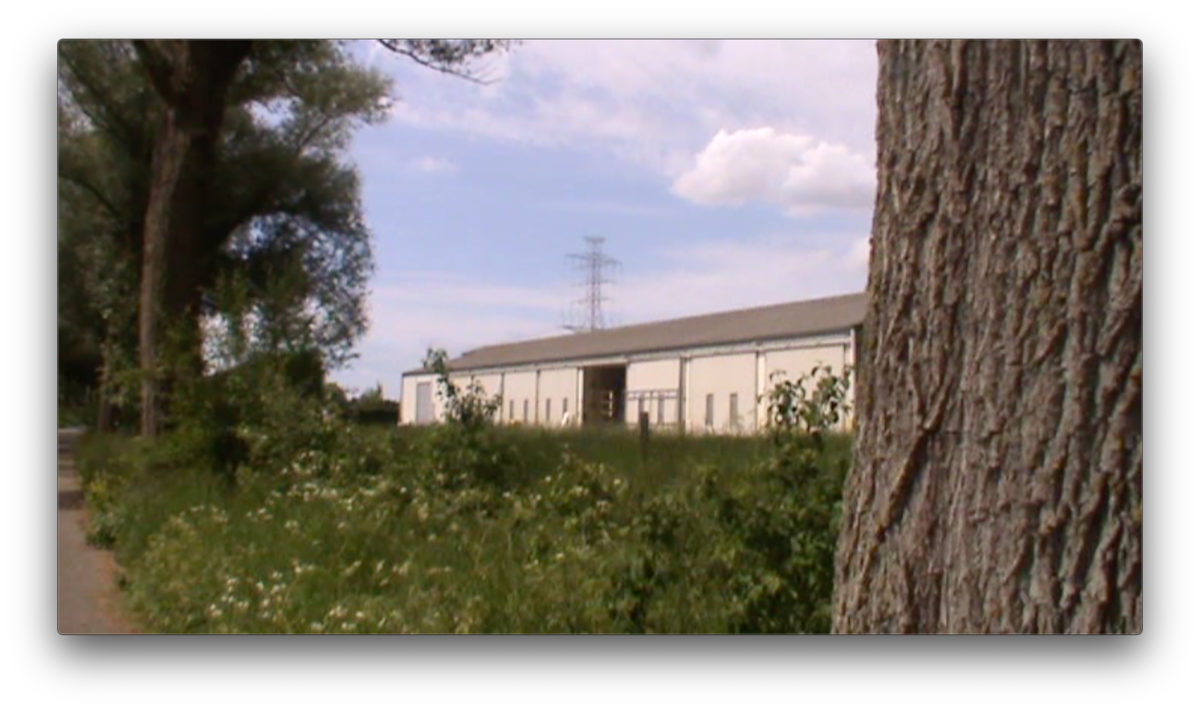
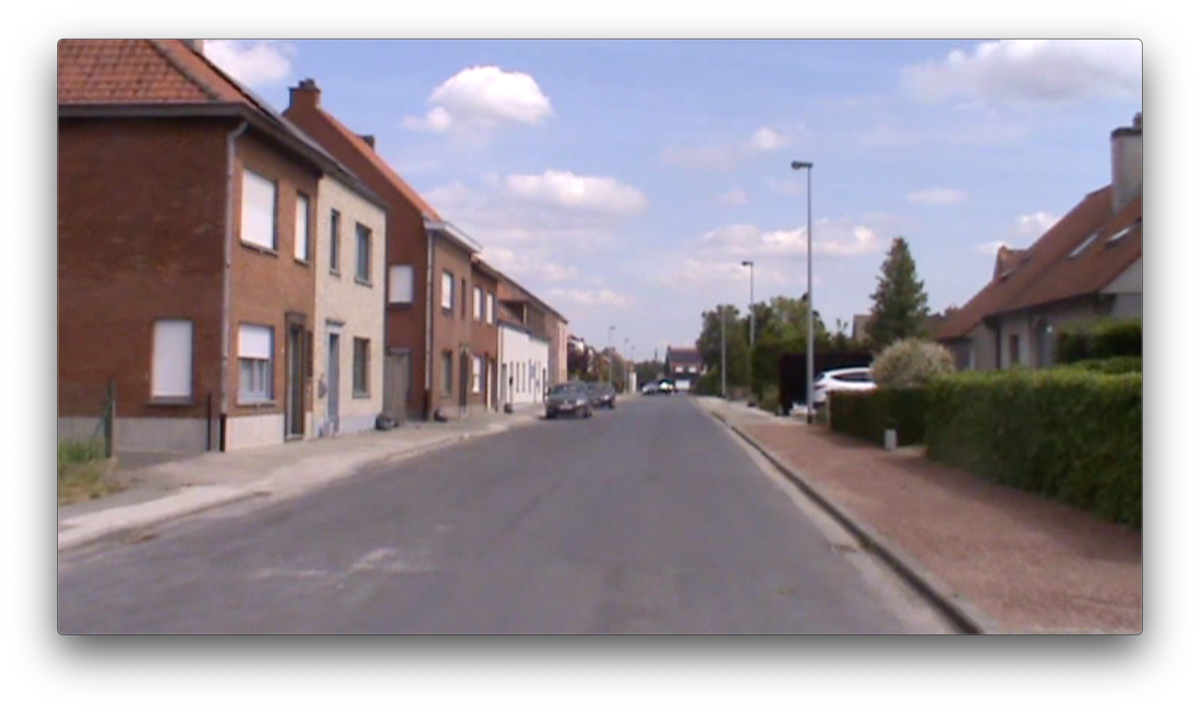
The path from Harelbeke station to the mushroom farm is pleasant. Once you cross a part of the city and a bridge, you follow a wide path along the river. You pass a few industrial sites on both sides of the river. They stand in contrast to the water, sky, trees and pastures that envelop them. I pass only a few cyclists, and some curious cows say hello on the way. They stand in front of a derelict industrial building. I continue and reach the mushroom farm, which is right on the river. It looks small: just two long hangars with an adjacent office-looking building. Some of the large garage doors are open, but I see no one. I hear some voices from inside; I think I recognise Polish. After waiting a few minutes to try to see anyone, I pass the facility and continue further down along the river. I come across a peculiar sight: a horse dressed in grey stands in front of a wagon onto which a crane arm, controlled by a man sitting on the wagon, loads freshly cut long grass. Further on, there are more men, mostly large and tattooed, raking the long grass on a field further behind the horse with pitchforks. They do this only twice a year, maintaining this otherwise natural zone along the river. They use the horse and wagon because apparently the ground there is too wet and swampy for any lorries. It is a very hot day and the men are tired. The machine on the wagon is very loud. The horse is patient; he is used to this work. As the men take their lunch break, I leave this green oasis and go back along the river towards the mushroom facility. I pause again, waiting to see anyone. There is one man walking along outside, but he quickly disappears into one of the open garage doors. I take the crossroad that leads away from the river and into the town of Bavikhove. The streets are extremely quiet. I don't see a single person. There are cars parked in front of homes and a lot of the blinds in the windows are pulled down. On one street I pass the postman. I find myself on what seems to be the main square in town. There is a large church and a school. The only sound comes from inside the school of children playing in the courtyard. I take a different route back to Harelbeke that goes through the town outskirts. When leaving Bavikhove I pass a billboard announcing Bavikhove feast in July.