Between nightdream and reality: the sprokkelroute - photo report
Via a foraging route to night dreams – an erratic route in a defined area, where the find (coincidence) determines the trajectory – I approach residents along the N9. During the route, I ask them what they dream about at night. Through their willingness to keep a dream diary, I find an entry point into their mental spaces and can further discuss the architecture of their dreams. The logbook also reflects the nature of remembering dreams, an unpredictable and fleeting process. Keeping it over a longer period of time gives residents the time to let memories of past dreams manifest and to record future dreams at their own (sleeping) pace.
The gathering route consists of several walking tours along the N9, each stage covering around 10 km between two stations or bus stops. Walking offers a counterbalance to the speed-generating line and seeks an intermediate pace, between the flashing of the cars and the immobility of the houses on the outskirts. Walking feels like gliding, a kind of slow sinking into the scenery and reality of the highway. A pace that allows scenes to unfold: a man unloading groceries, a family stepping out of their door, a woman trimming the hedge, a queue at the chip shop, terrace-goers basking in the sun.
/… /
The longer I walk, the softer the boundaries feel. They soften, as it were, by moving on and along them. The confined and distant environment of the N9 contrasts sharply with the intimate night-time dreams of its residents. The dreams are (mostly) produced in bedrooms, which are often considered the most private and intimate place in the house. Boundaries can also be seen in the architecture. The showroom along the side of the road, which screams advertising signs at the scale and speed of the car and displays its wares. Houses that make the opposite movement, retreating from the road and fortifying themselves with hedges, fences, gates and front gardens. In that slow and lasting passing, I seek permeability. The permeability that takes scenes out of their mere observability, and where I can interact with what I have just seen.
Encounters take on a distinct form along the road, occurring more often in moments of transition than in public places designed for that purpose: getting in and out of the car, entering and leaving the house... Public places, designed with premeditation, are rare in any case. The (gravel) car park (of the newsagent's) is one of the only identifiable places I can think of; it takes over the spontaneous function of meeting and gives it a place. If the meeting does not take place due to a grey day or the wrong departure time, there are no scenes. I have to create them myself by ringing doorbells or entering public interiors (bakeries, cafés, etc.). Suddenly, every house seems like a possibility. I try to figure out my decision-making mechanism, make up rules, try to read the houses and look for a reason to ring the doorbell: house number 1, a house on a 'hill', a house in a 'valley', a striking shape, a palm tree... This method reveals networks along the line, referrals to neighbours, neighbours across the street, friends or family members living along the road who turn out to be frequent dreamers. This reflection was written while waiting to collect the ten dream logs that are now being filled in.
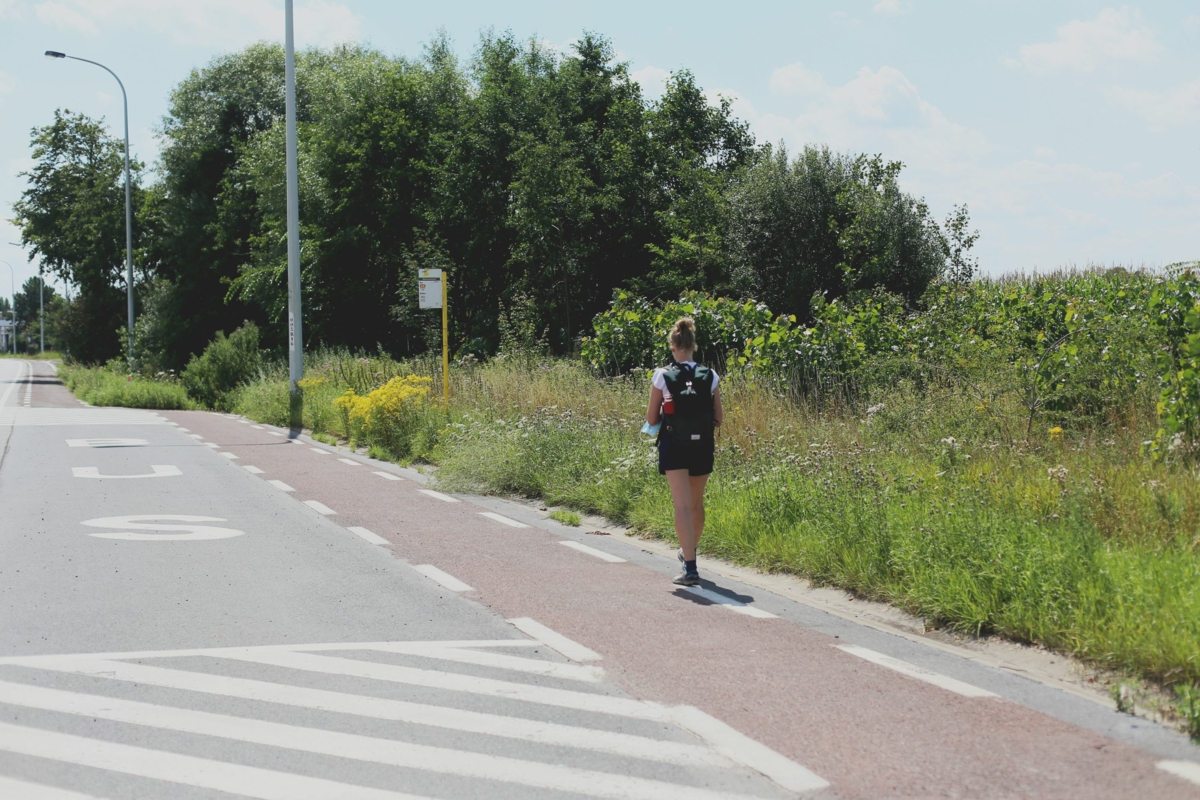
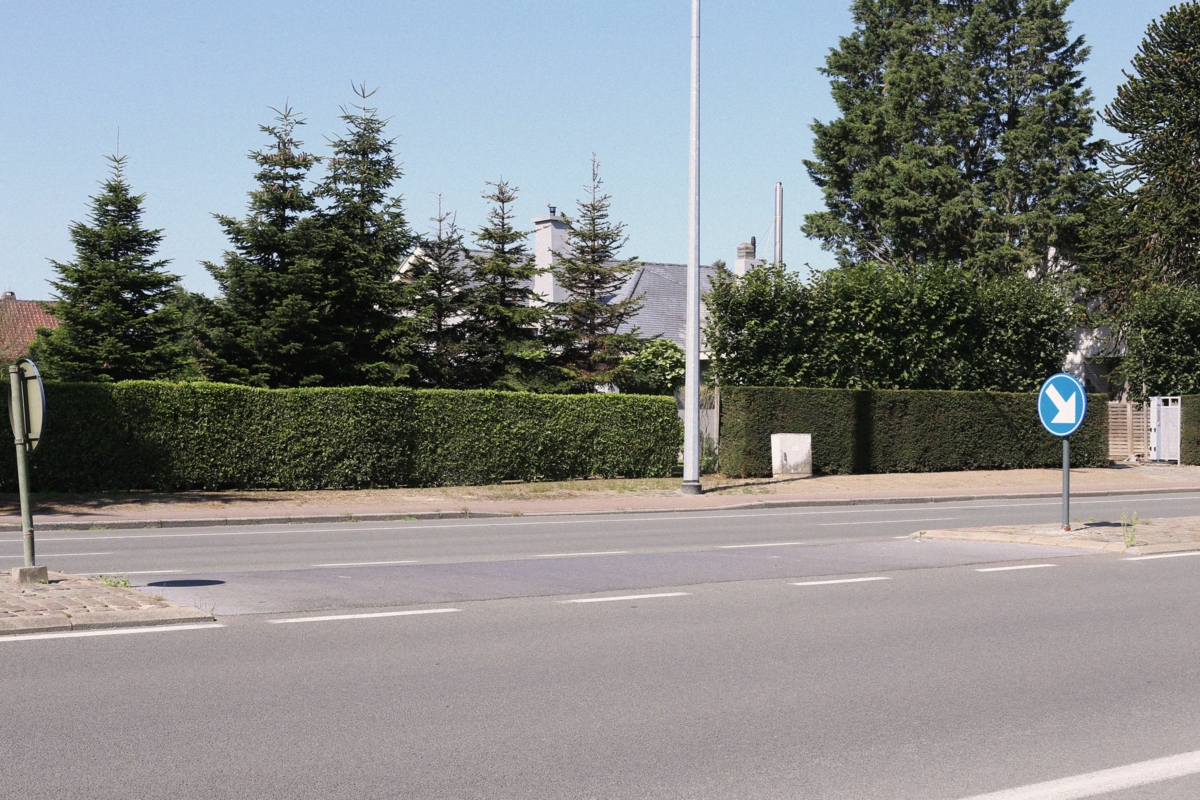
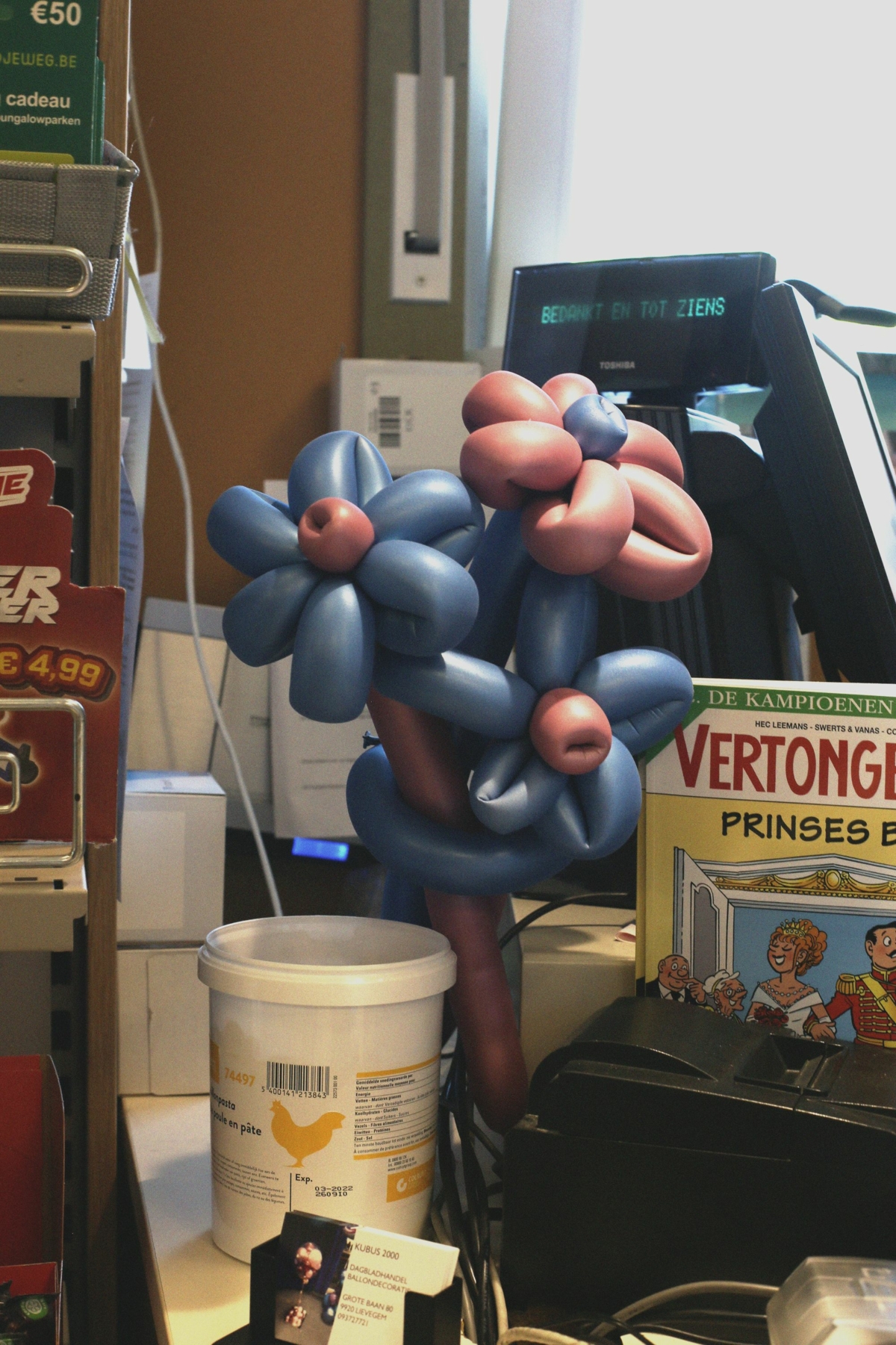
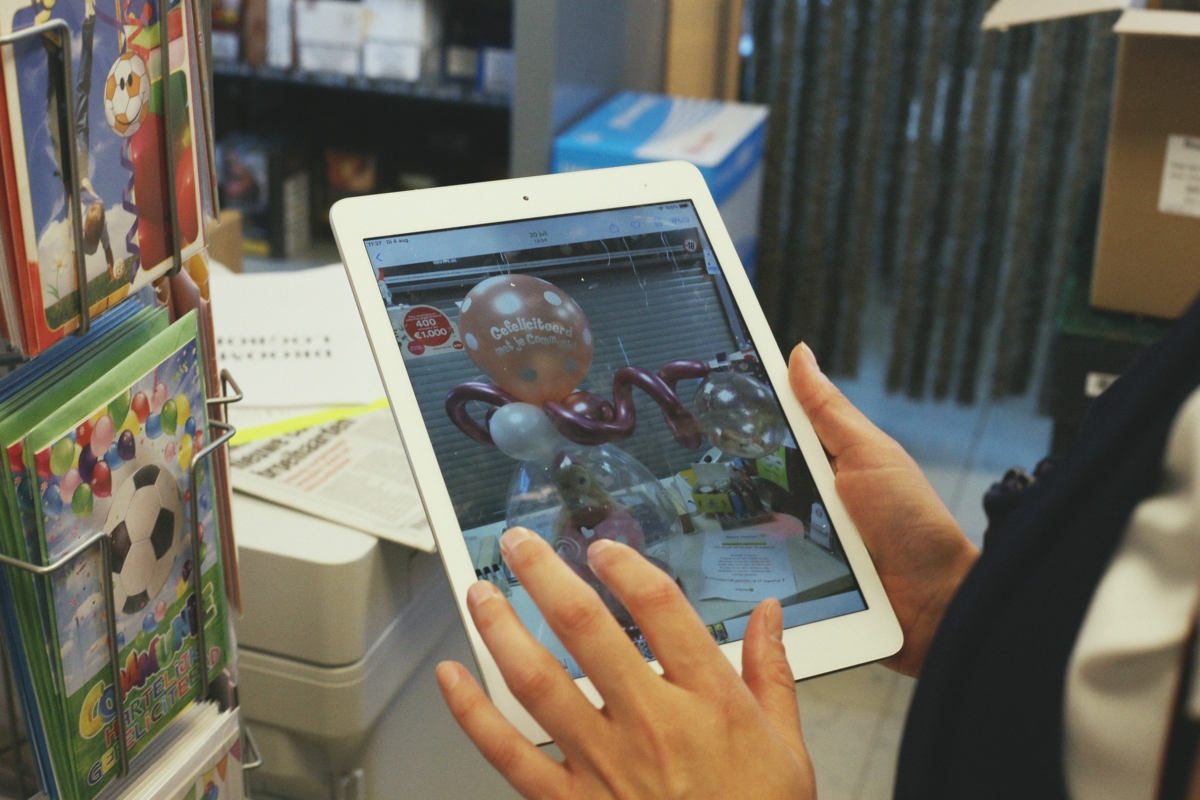
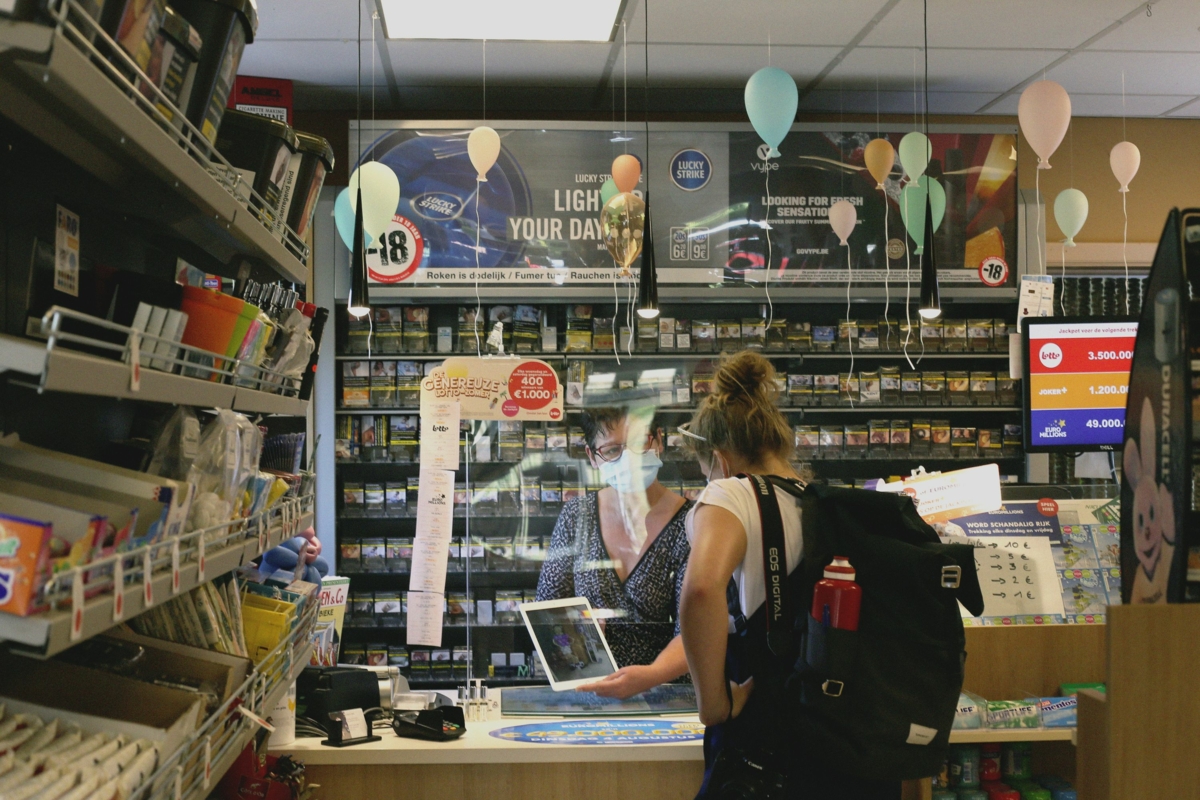
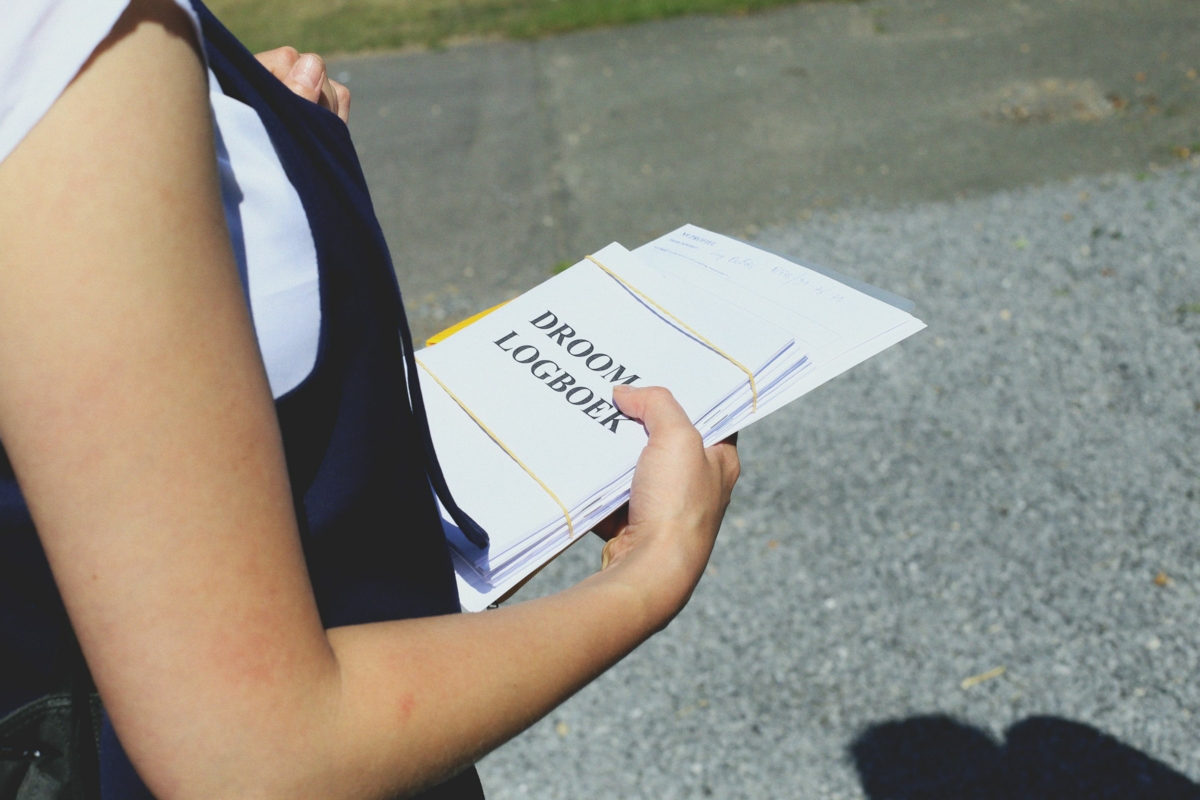
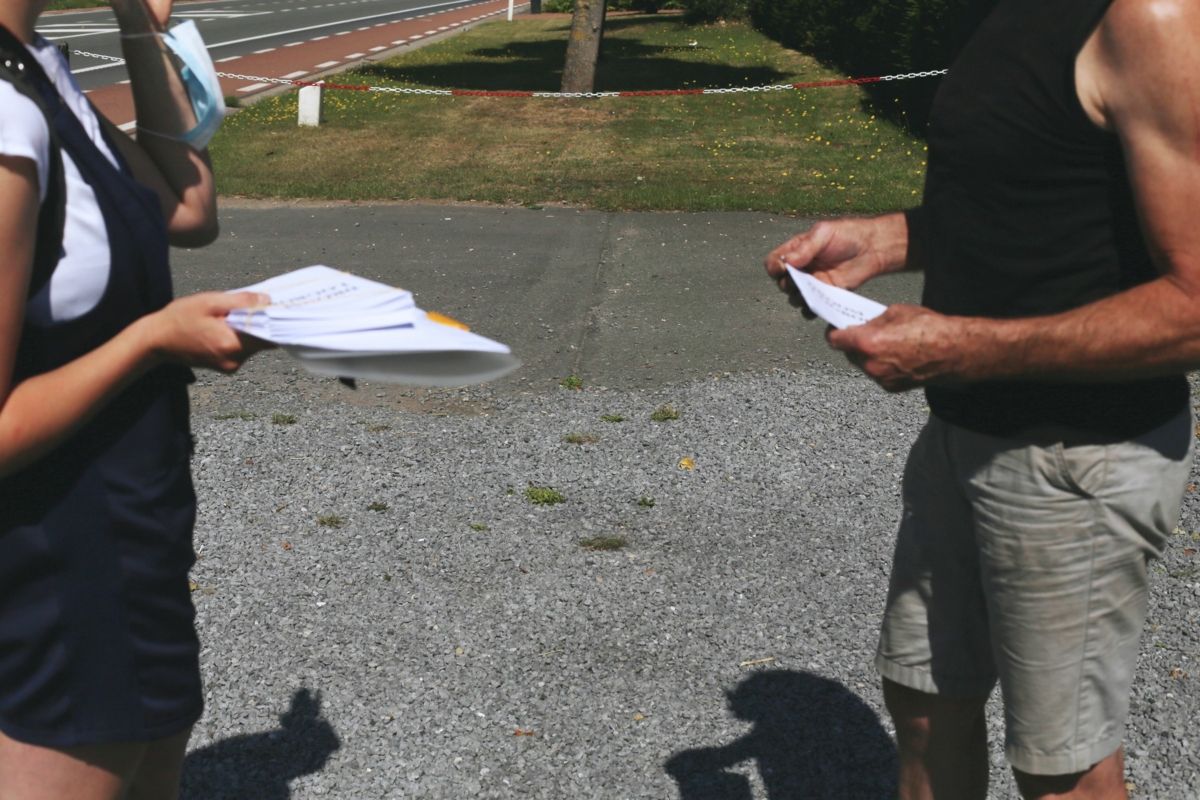
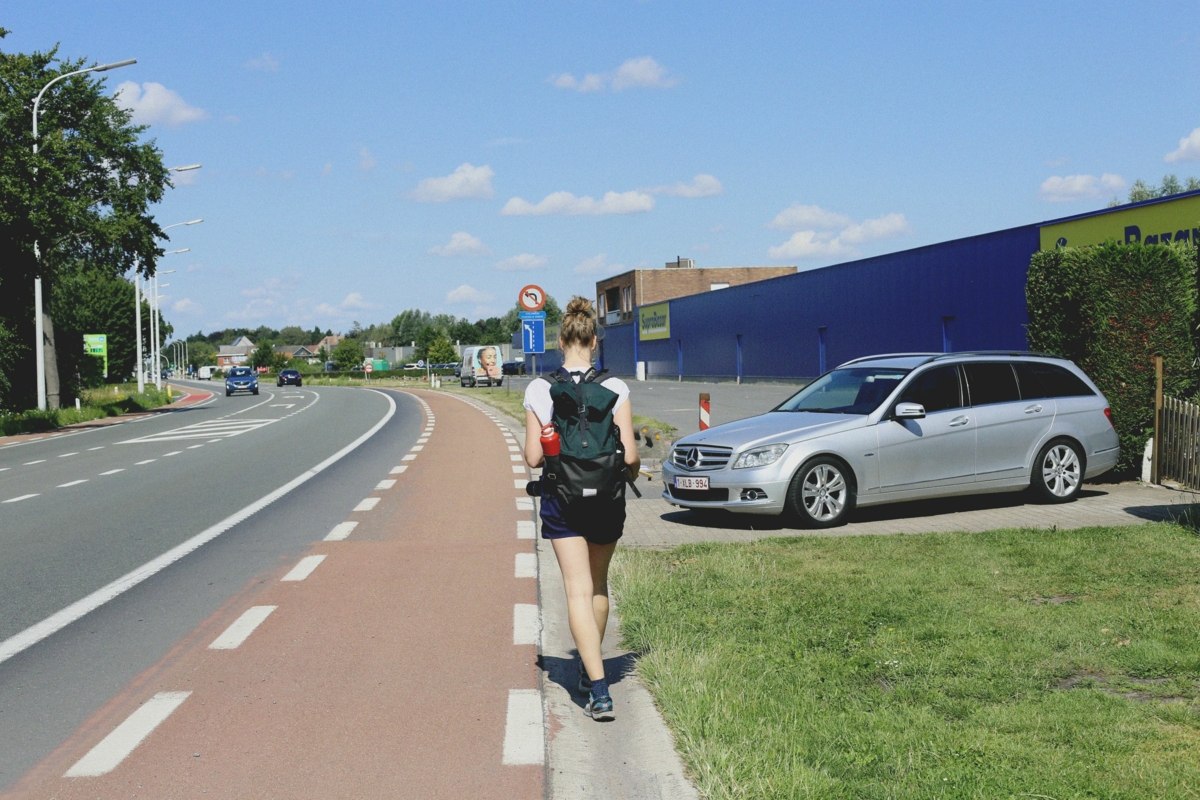
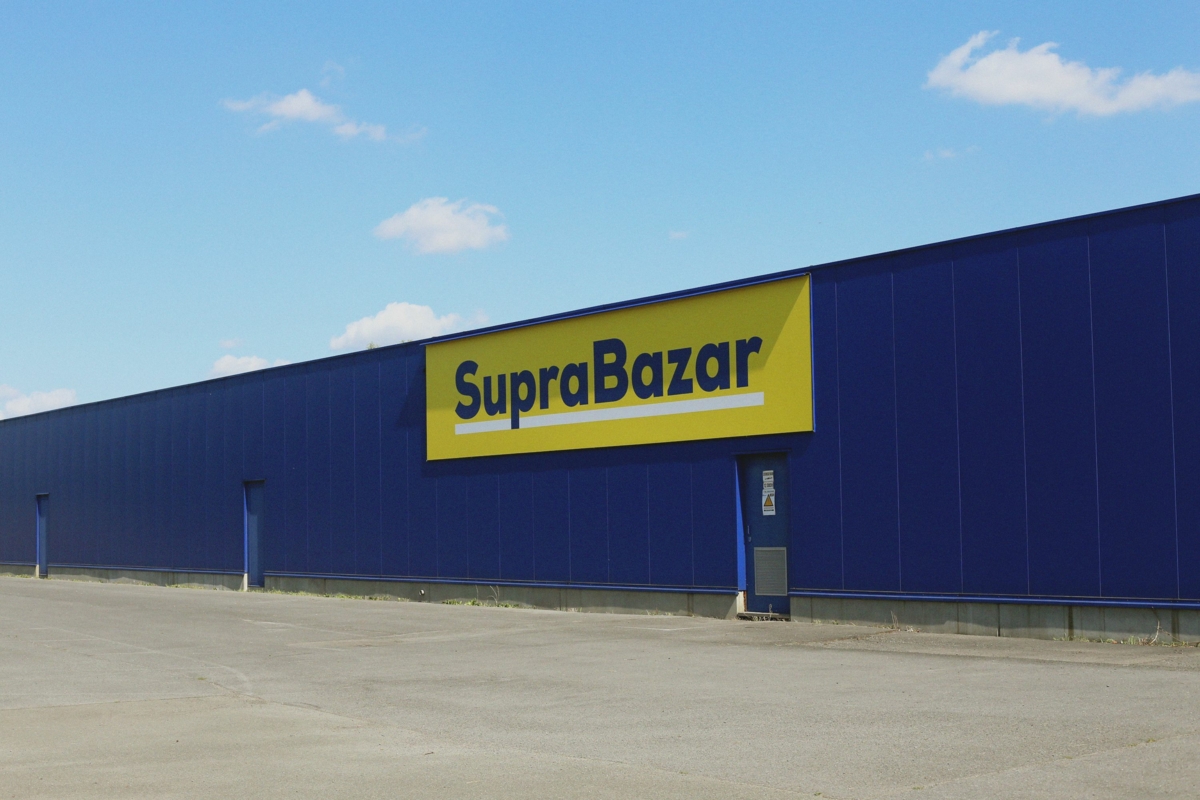
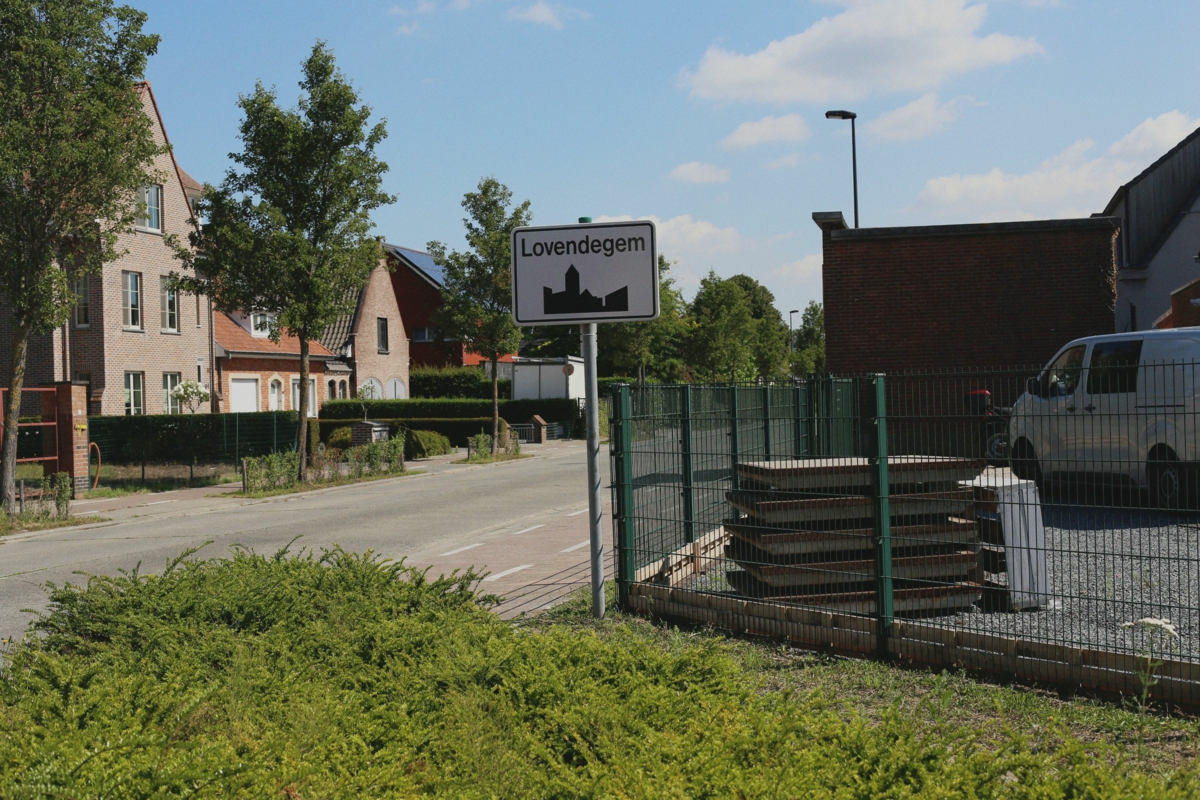
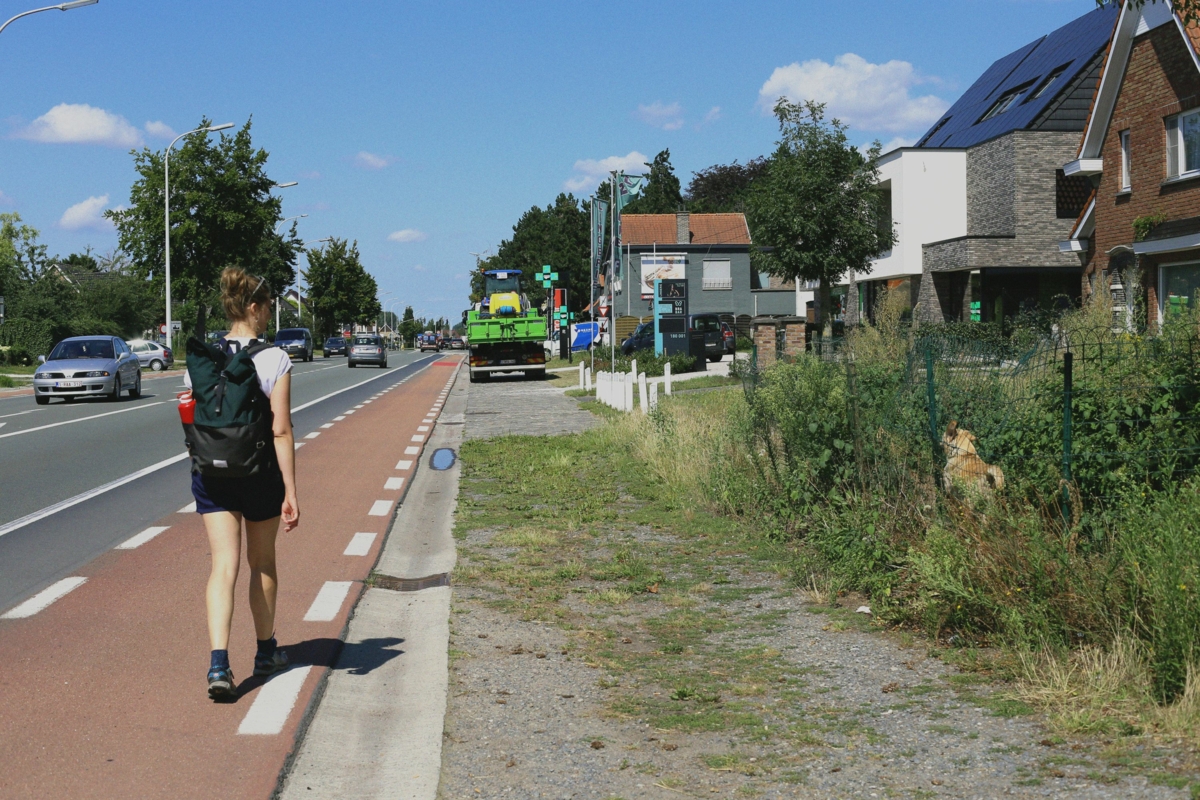
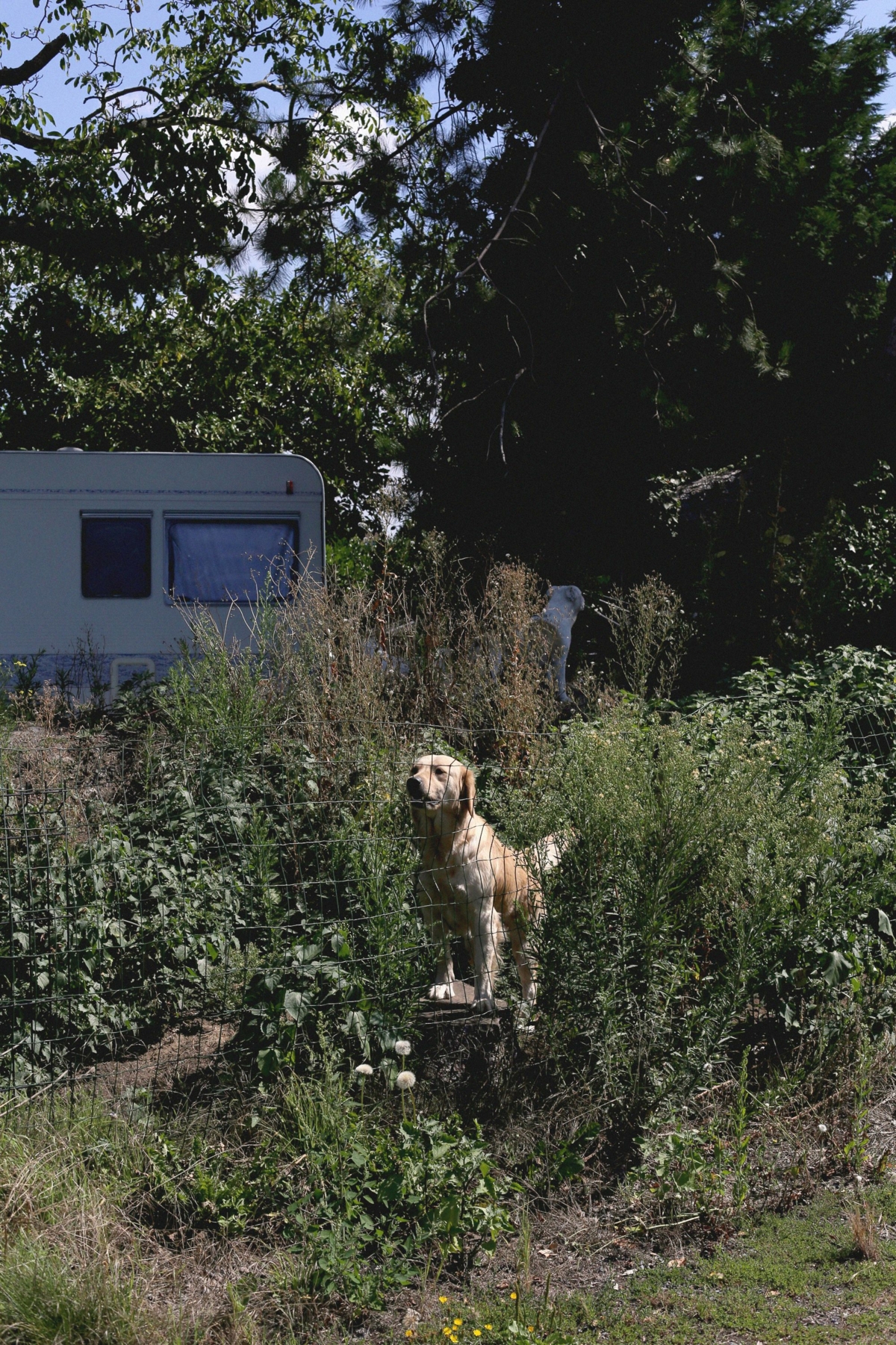
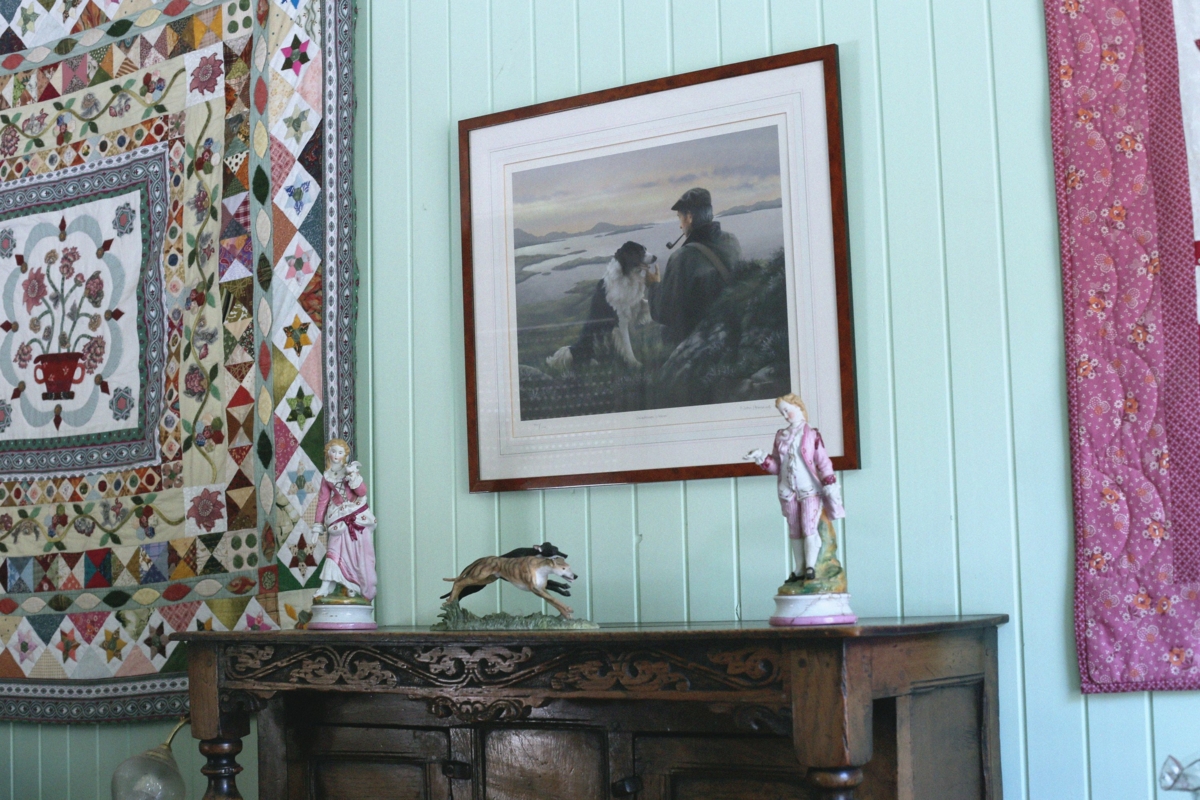
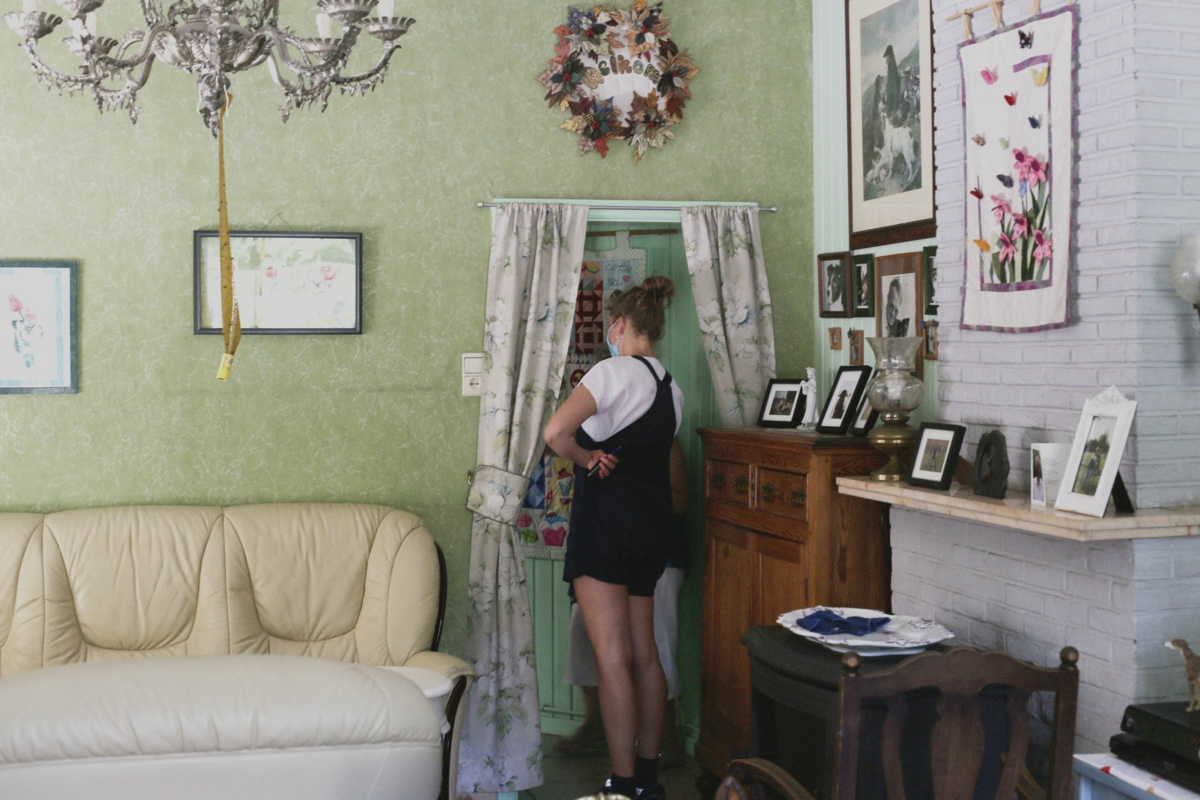
Image: Pommelien Koolen
For Topography of the Night-01-The Mist City, spatial designer Maxime Vancoillie collects, describes and models a series of nocturnal dream location descriptions, thereby unravelling the architecture of night-time dreams. Her research focuses on the misty city, the area between city and countryside, of which the ribbon development of the N9 is a cross-section.
Read more about this project here.