How the body becomes landscape
I am interested in the interaction between the landscape and the animals that live in it, or have lived in it. How does a landscape still bear traces of extinct animal species? And how have animals been shaped by the landscape? These are often evolutionary processes that take place over centuries or millennia, but ultimately bring about major changes in an ecosystem.
For example, I am currently investigating how the transformation of the European tundra into a forest landscape affected the evolution of the horse. Since this change, the landscape has of course undergone further major metamorphoses and humans have colonised the area, but traces can still be found. In the book Being a Beast, Charles Foster writes that animals are made of the land: they eat the land, so that every fibre of their body owes its existence to the ground beneath their feet. When they die, they are absorbed back into that same ground. I find that intimacy interesting, partly because it says something about the way we have severed that bond.
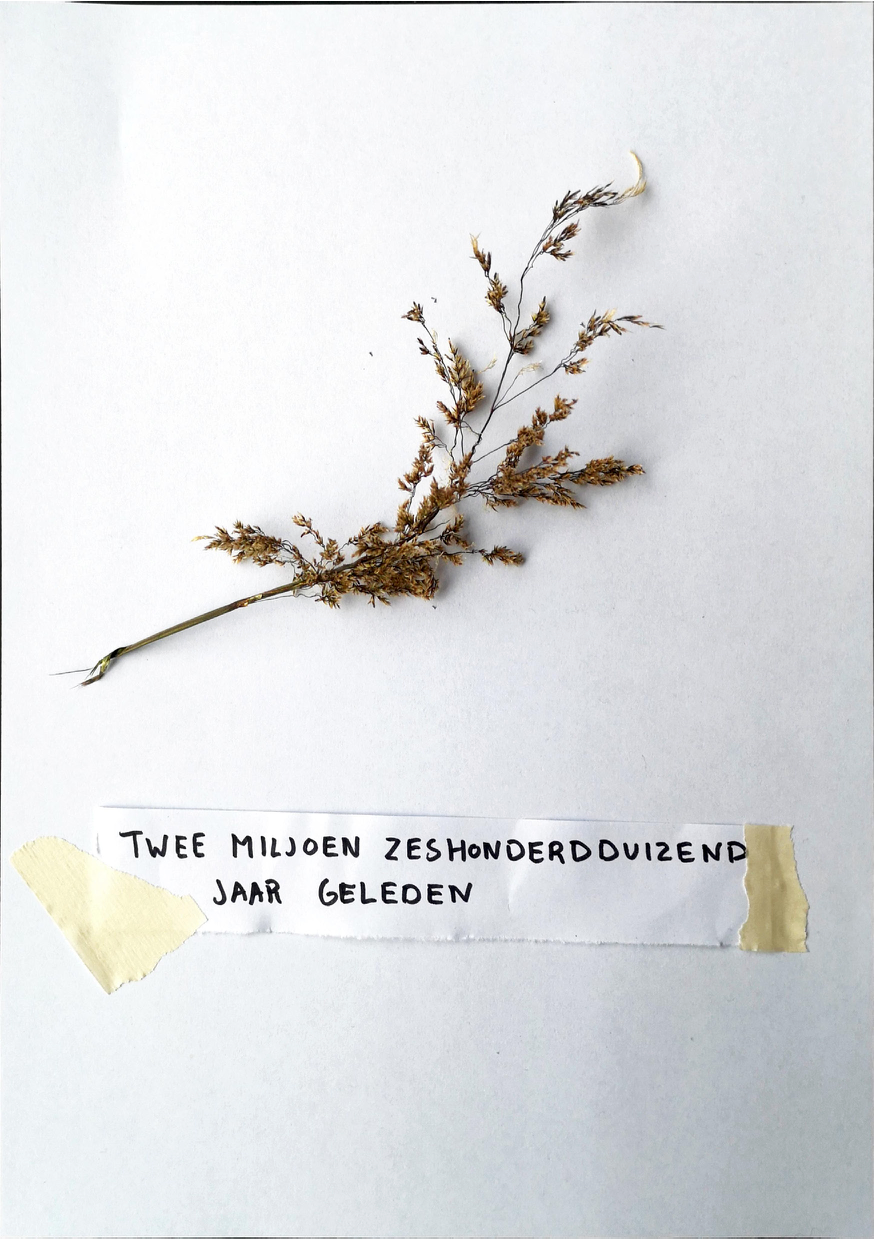
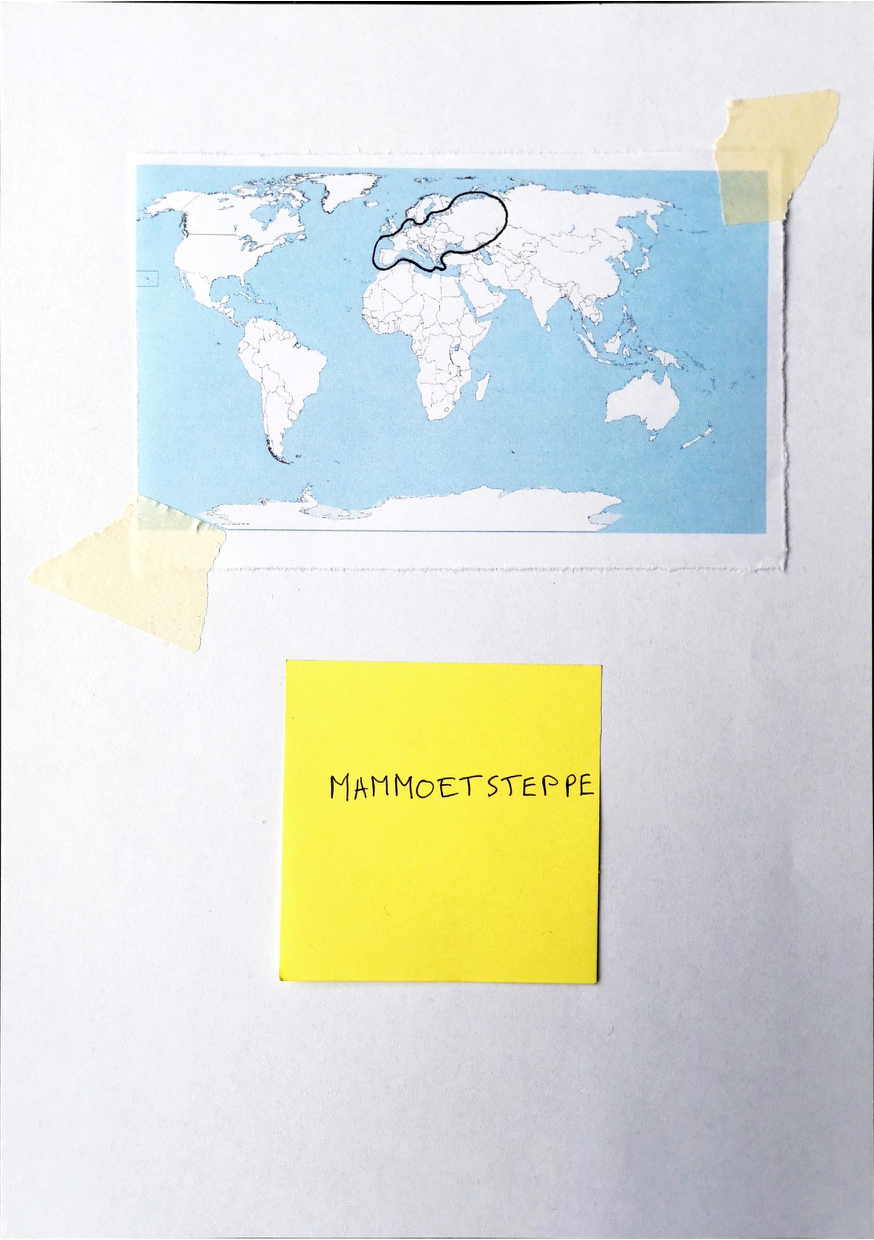
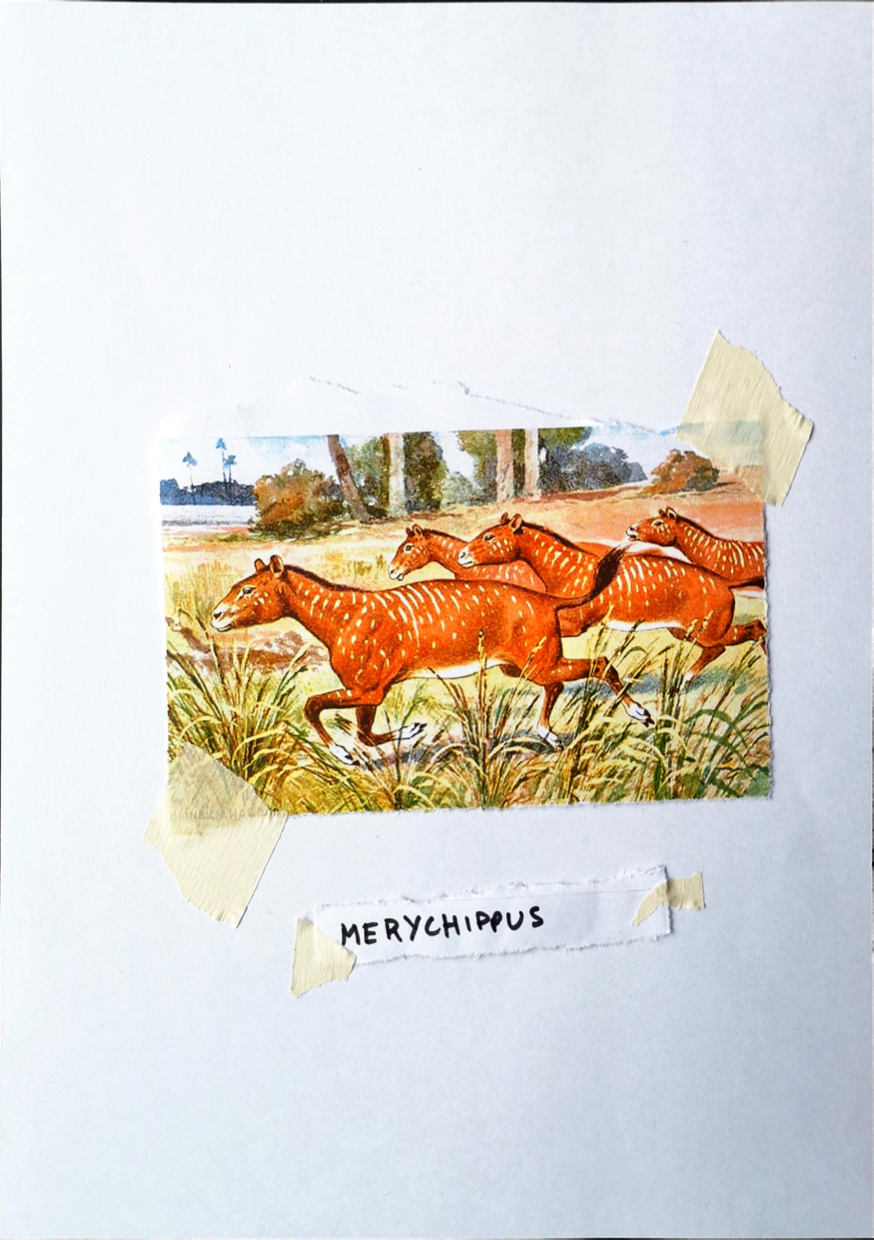
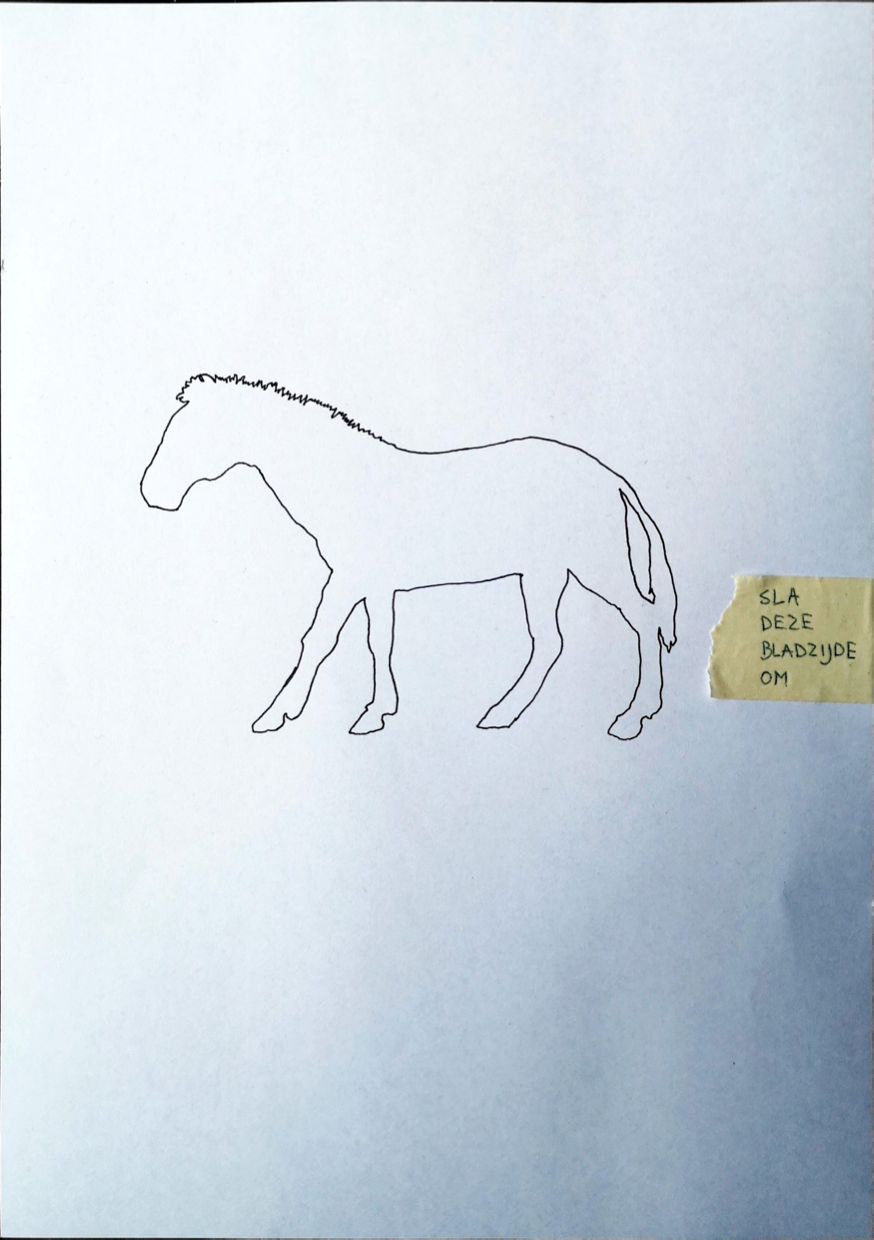
How do we deal with the mass extinction of other organisms in our time? For PLAN B/Fieldwork, Pim Cornelussen conducts research into ecological memory loss with Een soort van Stilte (A Kind of Silence). An exercise in cross-species empathy, a quest to discover how we can feel what we have lost. In the form of a walk, you, the spectator, step into the shoes of an extinct (or endangered) species.
Read more about this project here.